

THANK YOU FOR SUBSCRIBING
A featured contribution from Leadership Perspectives: a curated forum reserved for leaders nominated by our subscribers and vetted by our Manufacturing Technology Insights Advisory Board.

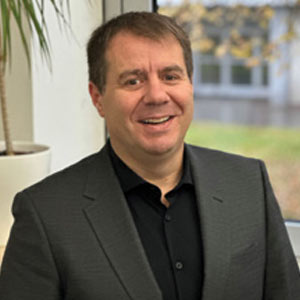
Gerhard Schauer is the Vice President of IT Workplace at ZF Group. He is responsible for the IT workplace infrastructure at ZF Group. His role involves overseeing the IT equipment outside of the data center, including devices and general functions that the company provides for its employees. This includes collaboration, communication, and productivity tools. Under his leadership, ZF is committed to bring a digital transformation in the production sector.
Schauer from 2008 to 2015 was responsible for backend support for databases, backup, storage, high availability, and managed applications. He currently leads a global team of 320 employees that is responsible for designing, developing and implementing workplace services and apps for about 188,000 employees. He also oversees cloud transformation programs and manages modern workplace devices in both office and production areas. He leads IT project management for mergers, acquisitions, and divestitures and is responsible for the strategic development and introduction of country-specific IT services.
Can You Provide A Brief Overview Of Your Professional Background And Roles Leading To Your Current Position?
I started my career in the telecom industry during the transition from analog to digital, which influenced my perspective of digital transformation.
I have an extensive experience in the telecom and networking area, data center infrastructure, and IT equipment outside of the data center. Since 2015, I have been working in the workplace IT area, responsible for devices, collaboration tools, communication, enterprise web frontends and productivity tools.
My current responsibilities within ZF Group are related to IT Workplace globally which deliver workplace services to office and production workers. I oversee IT workplace functions for approximately 170,000 employees globally. This includes not just devices but also general functions that the company provides for its employees.
What Are Challenges That Exist In The Industry?
When I started my current position, the company was facing several challenges. We were dealing with the aftermath of mergers and acquisitions while everything was on-premise. To deal with the challenges we brought in new tools that needed to be integrated for the digital transformation. Despite having the technical know-how, the real challenge which exists till now is bringing people along on the journey.
Another challenge is implementing solutions on a global scale. This can’t be handled solely by IT, as it requires involvement from corporate communication, human resources, corporate security, and regional representatives.
“The journey of digital transformation is wide-ranging and includes both office and production workers. It’s about bringing everyone onboard to make digitalization a part of their daily work and making things simpler and more efficient”
Can You Explain How Global Features On Kiosk Pcs And Byod Have Improved The Workplace?
The global features of Kiosk PC and BYOD implement digital solutions in a company, particularly in the context of HR and production.
These applications provide features such as communication and collaboration tools, shift planning, training and learning resources, health and safety information, real-time update, feedback mechanism, access to pay slip and task management.
These features improve the efficiency and empower workers by giving them access to information and communication tools at their fingertips. They also provide a necessary outlook for a digital transformation in the production center.
What Would Be Your Piece Of Advice To A Fellow Peer?
The most important lesson I’ve learned and would like to impart is that while it is good to always be motivated and eager to push things forward, one should not overlooked the importance of listening. I would advise to start by listening to those who have the demand, whether it’s a customer or an employee. This gives us the opportunity to truly understand their needs, rather than prematurely proposing solutions. By listening, there is a scope to better understand the current issue that we want to tackle and the goal that we want to achieve. This is especially important but is often overlooked, particularly by young and motivated individuals.

Manufacturing Technology Insights Weekly Brief
Be first to read the latest tech news, Industry Leader's Insights, and CIO interviews of medium and large enterprises exclusively from Manufacturing Technology Insights
