


THANK YOU FOR SUBSCRIBING

![Mativ [NYSE:MATV]: Engineering Sustainability Across the Adhesive System](/company_logos/1-kt2sj.jpg "Mativ [NYSE:MATV]: Engineering Sustainability Across the Adhesive System")
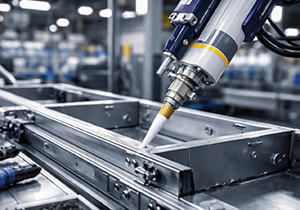 Mativ [NYSE:MATV] approaches sustainable adhesion as a materials-system problem. Its Sustainable & Adhesive Solutions portfolio spans industrial tapes, release liners, specialty papers, packaging materials and healthcare adhesives. These products are supported by advanced coating, paper and natural-fiber processing, lamination, embossing and converting capabilities. That breadth allows the company to examine the adhesive, carrier, liner and manufacturing route together rather than optimize one component in isolation. A lower-impact material must still withstand the application, run consistently through production and preserve the quality expected from the finished product.
The Construction Starts Before the Bond
Adhesive development often begins with tack, peel strength, temperature resistance or durability. Sustainability brings forth bigger questions. How much carrier material is needed? Can a paper or natural-fiber substrate replace a conventional backing? Can the release liner be lighter, contain recycled content or enter an established recovery stream?
Mativ’s position across adhesives, papers, liners and converting gives its teams a broader design field. Material combinations, coating weights, layer count and end-use requirements can be considered before the construction reaches full production. The objective is not simply to attach a sustainability claim to an existing tape. It is to determine where material can be removed, replaced or redesigned without weakening the function the customer requires.
That discipline guards against simplistic substitutions. A thinner backing offers little value if it tears during converting. A recyclable liner may create more waste if unstable release performance slows the line and increases rejects. A durable bond may reduce replacement, repair and product loss over a longer service life. Every decision has to work within the complete construction.
Mativ approaches sustainable adhesion as a connected system of chemistry, substrates, release liners and manufacturing decisions.
Through Scapa Industrial, a Mativ brand, the company develops adhesive tapes, films, foams and tailored bonding solutions for automotive, cable, building and construction, and specialty manufacturing applications. Its production capabilities include formulation and mixing, coating, lamination, calendering, slitting, laboratory testing and research and development. These applications place very different demands on an adhesive. Cable products may require insulation, mechanical protection or resistance to difficult environments. Construction tapes can face moisture, movement and temperature variation. Automotive components need to remain bonded through vibration and prolonged use.
Scapa Industrial works with customers, raw-material suppliers and equipment partners to develop application-specific products. Its research and development teams support pilot-scale testing and commercialization, helping customers evaluate whether a new construction can deliver the required performance before it reaches full manufacturing scale. This creates room to reduce material without relying on a fixed sustainability template.
The Layer Intended to Be Removed
Release liners rarely remain in the final product, yet they influence material use and production efficiency throughout the adhesive value chain. They carry the adhesive through coating, converting, storage and application before being separated and discarded or recovered.
The Futura Liners portfolio extends that engineering into material reduction and circularity. It includes lighter-weight liners, constructions using recycled raw materials, recyclable options and substrates containing up to 100 percent post-consumer-recycled fibers. Coating choices include lower-impact and non-fossil-based silicone technologies.
The value lies in combining those material choices with dependable processing. A lighter liner that breaks frequently or releases inconsistently can erase the benefit through scrap and downtime. ITASA’s approach keeps sustainability tied to the conditions under which the product will be coated, converted and applied.
A liner may be temporary, but its weight, fiber source, coating chemistry and processing behavior remain part of the adhesive system’s overall footprint.
 Proving the Construction Before Scale
Material changes become expensive when problems emerge after commercial production begins. A different backing may stretch under tension. A new silicone system can change the release force. A lighter liner might perform well in a laboratory but create difficulties on a high-speed converting line.
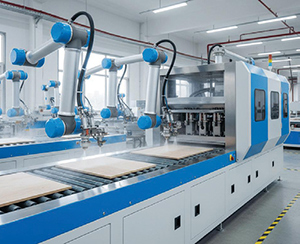
Mativ’s manufacturing platform provides access to coating, saturation, lamination and converting technologies that can be used to study these interactions. ITASA’s CoLab innovation hub adds pilot coating and rapid prototyping for small-scale customer verification, supported by quality-control and assurance processes designed to maintain traceability. This allows the construction to be tested as a connected system. Adhesive chemistry, substrate, liner and processing conditions can be adjusted together instead of being passed between unrelated suppliers. Customers can examine whether a proposed solution runs on existing equipment, maintains tolerances and delivers the expected bond before committing to a larger production run.
Manufacturing precision also contributes to sustainability in less visible ways. Stable coating weights limit excess material. Consistent caliper and release force reduce rejects. Better converting control can lower trim loss and rework. These improvements may not appear as a new environmental claim, but they influence how much material is consumed to produce every usable roll or component.
Different Uses Require Different Trade-Offs
No single adhesive chemistry or backing can satisfy every sustainability objective. Industrial products prioritize long service life and environmental resistance, while packaging applications may place greater emphasis on paper compatibility, recycled content and liner recovery. Healthcare products add another constraint because the adhesive interacts directly with the patient’s skin.
Scapa Healthcare brings medical adhesive formulation, coating, precision cutting, converting and assembly into Mativ’s broader platform. Its technologies include acrylics, silicone gels, hydrogels and hydrocolloids used in wound care, consumer wellness and medical-device fixation. The appropriate choice depends on wear duration, breathability, repositionability and skin sensitivity. In this setting, sustainability cannot be judged from the material source alone. A fixation product that performs for the intended period may reduce repeat applications, replacement components and additional packaging.
Mativ stands out as a sustainable adhesive solutions provider because it can work through these trade-offs across the full construction. Its materials science and manufacturing capabilities connect the bond, backing, liner and production method rather than treating sustainability as a change to one layer.
The result is not one universal sustainable adhesive. It is a disciplined way to reduce material impact while preserving the performance, manufacturability and quality that make the solution usable at scale.
What Are Sustainable Adhesive Solutions?
Sustainable Adhesive Solutions combine bonding performance with choices that can reduce material use, waste and environmental impact across the finished construction. They may involve lighter backings, recycled or recyclable substrates, lower-impact coatings, efficient converting and durable bonds. The goal is not simply to replace one material, but to consider the adhesive, carrier, liner and manufacturing process together. These solutions therefore have to balance environmental considerations with reliable production and end-use performance.
How Does Mativ Apply Sustainable Adhesive Solutions?
Mativ approaches these solutions through a portfolio covering industrial tapes, release liners, specialty papers, packaging materials and healthcare adhesives. Its capabilities include adhesive formulation, coating, paper and natural-fiber processing, lamination and converting. Through Scapa Industrial, it also develops tapes, films, foams and tailored bonding products, with formulation, mixing, coating, lamination, calendering, slitting, laboratory testing and R&D supporting development. This connected capability allows material choices to be assessed alongside application requirements.
What Materials And Design Choices Matter In Sustainable Adhesive Solutions?
Material selection can affect both environmental impact and product performance. These solutions may use lighter liners, recycled raw materials, recyclable constructions, paper or natural-fiber substrates and lower-impact or non-fossil-based silicone technologies. The right choice depends on the application, because reducing thickness or changing chemistry can affect strength, release behavior, converting performance or durability. A useful design process evaluates material source, layer count, coating weight and service requirements together rather than treating sustainability as a single-material decision.
How Can Sustainable Adhesive Solutions Reduce Manufacturing Waste?
Sustainable Adhesive Solutions can help reduce waste when materials perform consistently during coating, converting and application. Even coating weights can reduce excess material, while consistent thickness and release force can help prevent rejects. Better control during converting can also reduce trim waste and rework. Pilot testing matters because a material that works well in the lab may perform differently on a high-speed production line. Testing the full construction before moving to larger production can reveal problems early and help prevent scrap and downtime..
What Should Buyers Evaluate When Selecting Sustainable Adhesive Solutions?
Evaluation should begin with the requirements of the finished application. Key considerations include bond strength, durability, temperature or moisture resistance, release performance, substrate compatibility, manufacturability and the intended service life. These solutions should also be assessed for material reduction, recycled content, recyclability or other relevant environmental attributes without overlooking production realities. A lower-impact construction has limited value if it creates excessive rejects, requires major process changes or fails before the product reaches its intended service period.
How Does Mativ Validate Sustainable Adhesive Solutions Before Commercial Production?
Mativ uses coating, saturation, lamination and converting capabilities to study how adhesive chemistry, substrates and liners interact. Its ITASA CoLab innovation hub provides pilot coating and rapid prototyping for small-scale customer verification, supported by quality-control and assurance processes designed for traceability. Mativ also uses application-specific development and pilot-scale testing through Scapa Industrial, helping assess whether a proposed construction can meet performance requirements before larger-scale production. These capabilities support adhesive solutions that are tested as complete constructions rather than evaluated only at the material level.
Company
Mativ [NYSE:MATV]
Management
Shruti Singhal, President and CEO
Description
Mativ develops specialty materials and adhesive solutions for industrial, packaging and healthcare applications, combining adhesive formulation, advanced coating, release liners, paper and natural-fiber substrates, lamination, converting and collaborative product development to balance performance, manufacturability and lower-impact material design at scale.

Manufacturing Technology Insights Weekly Brief
Be first to read the latest tech news, Industry Leader's Insights, and CIO interviews of medium and large enterprises exclusively from Manufacturing Technology Insights
